

-
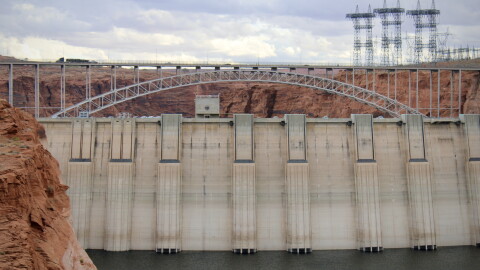 Alex Hager/KUNCDepartment of Energy’s Kyle Haustveit discusses the Trump administration’s aims to “Unleash American Energy” and the shifting future of energy in the West.
 -
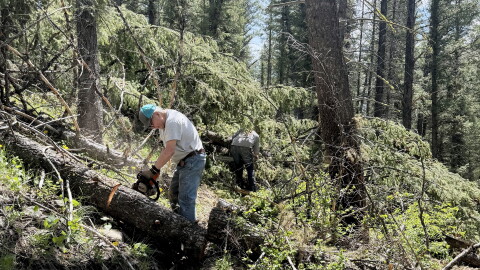 Courtesy of Idaho Outfitters and Guides AssociationAn approval for permitted outfitters to use gas-powered machines to clear trails highlights a clash between access and preservation.


-
 A U.S. Fish and Wildlife Service memo, signed by Director Brian Nesvik, is the latest of the Trump administration’s steps to remove regulations outlined by the Endangered Species Act.
 -
 A coalition of chambers of commerce, including nearly a dozen from Arizona, have sent a letter to congress asking the federal government to send new money for water-saving work.
 -
 The project would be built eight miles south of Cheyenne in the Switchgrass Industrial Park. The site is surrounded by rural, agricultural private and state-owned land as well as a solar field.
 -
 The Treasure State wanted to see fewer bison in the park. The National Park Service is already working on an update to the 2024 plan.
 -
 Grand Teton, Yellowstone and other national parks saw visitation numbers back at pre-pandemic highs this summer. At the most popular parks, visitors had to navigate long lines, noise, packed parking lots and throngs of other tourists.
 -
 In at least 27 cases, unleashed dogs created what’s known as a boomerang effect, where dogs run off, encounter a bear and bring it back with them
 -
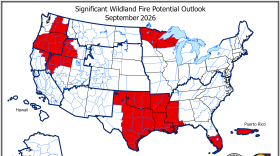 The National Interagency Fire Center predicts normal fire potential for September and above average precipitation in Wyoming.
 -
 The voluntary closures downstream of the Lusby Public Access Area on the North Platte River and on Deer Creek through the Deer Creek Public Access Area are no longer in effect.
 -
 About 500 commercial outfitters were subject to new fishing trip registration fees this season. Lawmakers are listening to calls for more oversight due to growing demand and harsher weather conditions.
 -
 The faster a fire burns, the more severe its ecological impacts. That's one of the findings of a new paper in the journal Science Advances. Climate change only promises to further accelerate those fires, according to its lead author.


