


-
 Ross D. Franklin/AP PhotoDrought relief may only be temporary.
 -
 AP ImagesAs the insurance crisis deepens in the West and across the country, policies known as surplus lines are becoming more important. This lightly regulated and previously niche corner of the insurance market comes with a number of risks, and a new report from Climate Cabinet Education offers policy recommendations.


-
 Hunters and hikers were among almost 133,000 people opposing potential changes to the Travel Management Rule in national forests. Snowmobile groups were in the minority.
 -
 Arizona is still working on a deal with California and Nevada to spread out the pain of cutbacks, but they are still figuring out which cities and farms will use less water.
 -
 The partner organizations were planning conservation or cultural resource projects in parks across the Mountain West.
 -
 Fire leaders held a demonstration to show what happens when a home is built with wildfire-conscious materials, something more homeowners and builders are considering as wildfires become more intense.
 -
 The tour company owner said she spoke with 80 to 90 potential international customers who decided not to book trips, most of whom indicated that the higher costs played a role.
 -
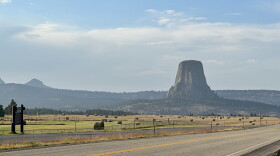 The mining project is one of several fast-tracked infrastructure developments supported by the Trump administration in its push to increase domestic energy.
 -
 A top U.S. Fish and Wildlife official told Idaho lawmakers Monday the Trump administration will immediately push to remove grizzly bears from the endangered species list after a proposed rule is finalized.
 -
 Fewer berries and careless humans drive ‘brazen’ bruin behavior, officials say.
 -
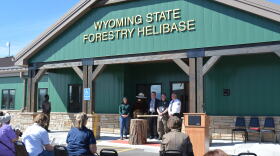 The helibase is the result of increased funding for firefighting resources in 2024. It will house two helicopters and up to 12 employees.
 -
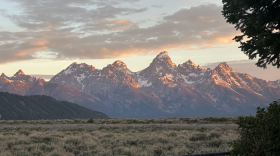 Even a temporary field on already-disturbed land would do damage, letter says.


