
-
 Idaho is one of five finalists for a Nuclear Lifecycle Innovation Campus, which the federal government says would streamline the country's nuclear energy development. The U.S. Department of Energy was supposed to name three states to receive a new project at the end of September but it did not happen.
-
 The U.S. Fish and Wildlife Service started allowing hunting this fall at Rocky Flats National Wildlife Refuge as part of a Trump administration push to expand hunting and fishing on public lands.
-
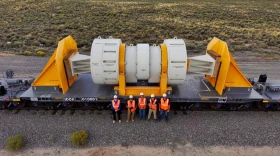 The campuses would manage nuclear waste, but could also mean other nuclear-related development, such as power plants, fuel processing centers or even nuclear-powered data centers.
-
 The Wyoming Business Council kicked off its new community conversation series with its first episode, focusing on the nuclear industry in the state.
-
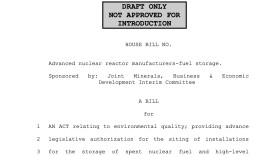 Public commenters at a Casper meeting had a lot of different opinions. Many wanted more answers about the licensing process and the logistics of transporting the spent fuel back to Wyoming.
-
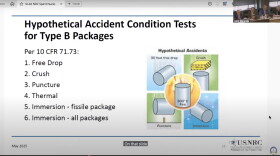 One would allow nuclear reactor manufacturers to temporarily store used nuclear fuel in Wyoming, and the other would provide legal protections for private security guards at nuclear facilities.
-
 Cañon City in southern Colorado is still dealing with the fallout of radioactive contamination from decades ago. A nuclear waste watchdog group wants communities that are considering partnering with the government on future waste storage plans to have the full picture of the energy cycle and its history.
-
 As northwest Colorado loses coal jobs and dollars, a small group is raising the possibility of nuclear waste storage as a replacement. Community leaders in coal country have mixed feelings about the idea.
-
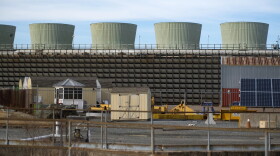 Spent nuclear fuel, or what many of us think of as nuclear waste, is building up at temporary sites all across the country, and the U.S. is looking to consolidate it. New research looks at the pros and cons of developing the industry in-state.
-
 As nuclear waste piles up around the country, many communities are saying ‘no’ to taking it. In a rural corner of Colorado, however, some see the prospect of storing this spent fuel as an opportunity.

© 2026 Wyoming Public Media
800-729-5897 | 307-766-4240
Wyoming Public Media is a service of the University of Wyoming
800-729-5897 | 307-766-4240
Wyoming Public Media is a service of the University of Wyoming

Play Live Radio
Next Up:
0:00
0:00
Available On Air Stations


