-
 Vicki Christiansen, who retired as Forest Service chief in 2021, pointed to aggressive agency mandates to quickly extinguish fires as a possible factor at play during this dangerous season.
 -
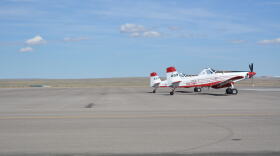 A recently unveiled home for aerial firefighting resources in Casper is one of several moves to strengthen fire response, as nationwide changes to a more aggressive approach to fires may mean less land burned but bigger future fires.
 -
 A bill — known as the Wildland Firefighter Health and Safety Act — was recently introduced in both chambers of Congress, and enjoys bipartisan support.
 -
 A recent study from the Desert Research Institute offers a detailed look at how wildfire smoke impacts air quality.
 -
 As the insurance crisis deepens in the West and across the country, policies known as surplus lines are becoming more important. This lightly regulated and previously niche corner of the insurance market comes with a number of risks, and a new report from Climate Cabinet Education offers policy recommendations.
 -
 Wildfires are burning more land in watersheds that provide water to communities across the West, raising concerns about water quality and infrastructure as fires become larger and more frequent.
 -
 Fire leaders held a demonstration to show what happens when a home is built with wildfire-conscious materials, something more homeowners and builders are considering as wildfires become more intense.
 -
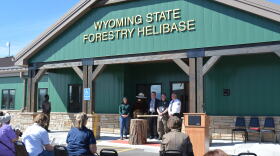 The helibase is the result of increased funding for firefighting resources in 2024. It will house two helicopters and up to 12 employees.
 -
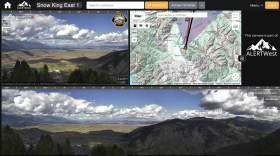 Two wildfire detection cameras installed near Jackson Hole hope to shorten response times and improve evacuations by using artificial intelligence technology.
 -
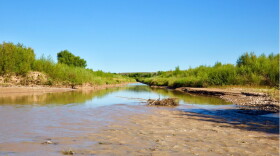 Reservoirs across the West are slowly losing space to store water as dirt, sand and other sediment pile up behind dams, according to new, sweeping, nationwide research.

© 2026 Wyoming Public Media
800-729-5897 | 307-766-4240
Wyoming Public Media is a service of the University of Wyoming
800-729-5897 | 307-766-4240
Wyoming Public Media is a service of the University of Wyoming

Play Live Radio
Next Up:
0:00
0:00
Available On Air Stations


