-
 Vicki Christiansen, who retired as Forest Service chief in 2021, pointed to aggressive agency mandates to quickly extinguish fires as a possible factor at play during this dangerous season.
 -
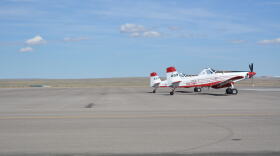 A recently unveiled home for aerial firefighting resources in Casper is one of several moves to strengthen fire response, as nationwide changes to a more aggressive approach to fires may mean less land burned but bigger future fires.
 -
 Deaths and close calls while fighting wildfires have strained an already on-edge workforce. They've also raised questions about policies and priorities amid an intense wildfire season.
 -
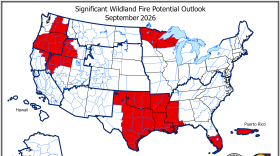 The National Interagency Fire Center predicts normal fire potential for September and above average precipitation in Wyoming.
 -
 Twelve fires are over 100,000 acres.
 -
 Firefighters will now be able to use N95 masks on the fireline – building on a more limited, voluntary rollout of masking that started last fall. There will also be expanded access to showers, time for routine gear cleaning and so-called “clean air recovery periods” that can limit other risks.
 -
 Officials are anticipating fewer July wildfires in the northeast corner of the state. Parts of the south still remain above normal fire potential.
 -
 Low morale, staffing woes and health worries are among the top issues shared by hundreds of federal wildland firefighters who responded.
 -
 Following the burnover deaths of three wildland firefighters near the Utah-Colorado border last weekend, a top federal fire official has strong words of warning ahead of Independence Day – the single biggest day for human-started fires.
 -
“Suppression is always going to be there,” Chief Brian Fennessy told the Mountain West News Bureau. “But we're not going to suppress our way out of this situation.”

© 2026 Wyoming Public Media
800-729-5897 | 307-766-4240
Wyoming Public Media is a service of the University of Wyoming
800-729-5897 | 307-766-4240
Wyoming Public Media is a service of the University of Wyoming

Play Live Radio
Next Up:
0:00
0:00
Available On Air Stations


