-
 Supporters say it would prevent attempts to limit hunting, while opponents worry it could complicate wildlife management.
 -
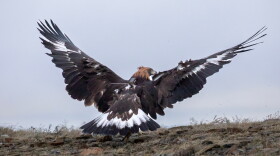 The tribe released two golden eagles in Montana last year. One died in Colorado, likely due to lead poisoning.
 -
 At a recent White House dinner with hunting groups and companies, Trump announced the orders directing federal land agencies to take several steps to improve hunting and angling opportunities.
 -
 Roadsides greener than the surrounding areas may draw animals in, and drought conditions and heat can change animals’ movement patterns.
 -
 Bison may appear calm, but Antelope Island wildlife officials say they're powerful, unpredictable animals. Here's how to safely enjoy iconic bison while giving them the space they need.
 -
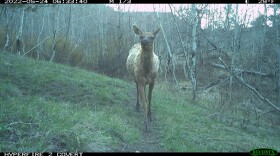 Near trails outside Jackson, Wyoming, animals were 22% less likely to flee, compared to more remote parts of the forest.
 -
 On July 10, grandfather Carl McDaniel was struck by a bison at a campground in Yellowstone.
 -
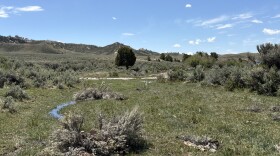 Beaver dam analogs are human-made projects designed to slow waterways to increase plant and wildlife health.
 -
 Prescribed fires can reduce wildfire risk while also improving wildlife habitat, according to a new study from the Nature Conservancy.
 -
 Unlike the state, Teton County requires wildlife-friendly fences. Jackson may consider more this fall.

© 2026 Wyoming Public Media
800-729-5897 | 307-766-4240
Wyoming Public Media is a service of the University of Wyoming
800-729-5897 | 307-766-4240
Wyoming Public Media is a service of the University of Wyoming

Play Live Radio
Next Up:
0:00
0:00
Available On Air Stations


