-
 As the insurance crisis deepens in the West and across the country, policies known as surplus lines are becoming more important. This lightly regulated and previously niche corner of the insurance market comes with a number of risks, and a new report from Climate Cabinet Education offers policy recommendations.
 -
 Fire leaders held a demonstration to show what happens when a home is built with wildfire-conscious materials, something more homeowners and builders are considering as wildfires become more intense.
 -
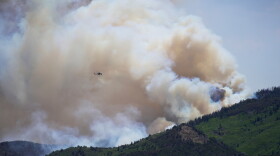 In 2025, roughly 4.5% of Utah homeowners policies — or nearly 1 in 20 — were not renewed by insurance providers. That’s the highest rate in the country, and 1.5% higher than the number two state California.
 -
 Blame wildfires and hail — made more destructive by climate change — for the deteriorating insurance situation in the West. Add in hurricanes and other disasters elsewhere, and it’s a nationwide trend — one that a new report from the advocacy group the Insurance Fairness Project says is threatening home sales.
 -
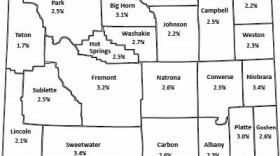 Unemployment fell this month while more jobs were created across multiple sectors.
 -
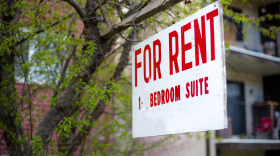 Alongside homeowners insurance premiums, costs for multi-family rental property policies and other insurance required in the business are also on the rise. That has big implications for tenants – especially those in subsidized or affordable housing.
 -
 Arizona, New Mexico, Idaho and Wyoming have no statewide wildfire building codes. Colorado adopted a code last year, with enforcement expected to begin this year. Most other Western states are somewhere in between.
 -
 Home hardening and creating defensible space can reduce the risk of houses burning in a wildfire.
 -
 Insurance regulation is complex, in part, because it’s done state-by-state, meaning there are dozens of different schemes across the country.
 -
 Proponents of a bill in Colorado say stronger roofs would mean less damage during storms, and lower home insurance costs.

© 2026 Wyoming Public Media
800-729-5897 | 307-766-4240
Wyoming Public Media is a service of the University of Wyoming
800-729-5897 | 307-766-4240
Wyoming Public Media is a service of the University of Wyoming

Play Live Radio
Next Up:
0:00
0:00
Available On Air Stations


