-
 The weather pattern favors dry conditions in the northern Rockies and wet conditions in the southern Rockies with some uncertainty in between.
 -
 Scientists have a new name for a weather pattern reshaping how the West gets its water: so-called “snow-eater” heat waves.
 -
 High temperatures and a poor snowpack led to a lackluster winter for nearby ski resorts. But according to experts and trail users, those conditions could have consequences for summer sports, too.
 -
 The stretch from Chief Joseph Scenic Byway to the Montana state line will open on Saturday, conditions permitting.
 -
 Ski areas with special-use permits must be primarily focused on skiing and other snow sports. But in a final rule, the U.S. Forest Service said that focus will no longer be determined by revenue, which could help ski areas to adapt business to a changing climate.
 -
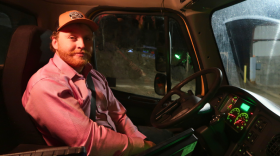 Thirty-two-ton machines at 10% grade, careful parking and probing questions join in the fight against slides.
 -
 Cross-country ski areas are doing their best to adapt, but they lack the same tools available in the far bigger downhill skiing industry.
 -
 In its latest quarterly earnings report, Vail Resorts said North America skier visits were down roughly 12% through the beginning of March compared to last year, and revenue fell about 5% for the quarter.
 -
 Colorado's state climatologist said long-range forecasts are also not signaling a 'Miracle March.'
 -
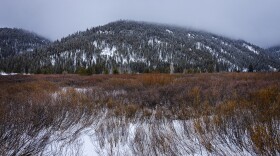 Declining snowpack is creating new challenges for irrigation, livestock, and traditional food systems in tribal communities

© 2026 Wyoming Public Media
800-729-5897 | 307-766-4240
Wyoming Public Media is a service of the University of Wyoming
800-729-5897 | 307-766-4240
Wyoming Public Media is a service of the University of Wyoming

Play Live Radio
Next Up:
0:00
0:00
Available On Air Stations


