

-
 Tim Agne/KJZZThere's an open call for Indigenous artists from the U.S. and Canada to submit their portfolios before a juried committee. Three semifinalists will then draft and present their concepts before a finalist is named.
 -
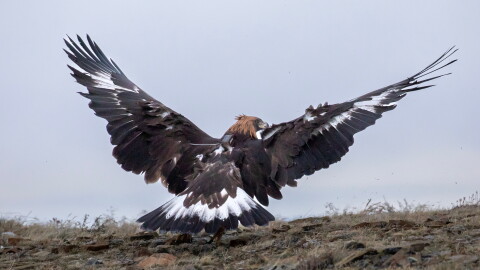 Courtesy of the Citizen Potawatomi Nation Eagle AviaryThe tribe released two golden eagles in Montana last year. One died in Colorado, likely due to lead poisoning.


-
 The day of remembrance is for the Indigenous children who were taken from their families and sent to boarding schools.
 -
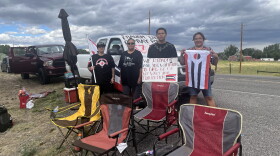 Protesters have been gathering outside the Foundations for Nations church on the Wind River Reservation for weeks, ever since the church’s pastor made derogatory remarks about the Northern Arapaho tribe’s Sundance ceremony. She’s since apologized, but adds that she’s not leaving. The incident raises wider questions about tribal sovereignty and authority.
 -
 The Native American Rights Fund finds disparities in voter registration, mail-in ballots and other stages of voting in Native communities
 -
 Municipalities across the Grand Canyon State are raising concern over the rapid rise of data centers, especially when it comes to water consumption in the drought-stricken Southwest.
 -
 Along the Colorado River, 30 federally recognized tribes have legal and cultural claims. Yet they have no formal seat in negotiations.
 -
 The federal agency's action — published Tuesday — contends that its decision is intended to "encourage energy production" in the midst of Trump's self-declared national energy emergency.
 -
 Likely voters WPR spoke to at the Black Coal Senior Center hope to see more Native American culture in schools, more tribal candidates and for tribal programs to receive more support.
 -
 New technology and traditional practices could help Indigenous people address anxiety, substance useThe study demonstrates reduced use of alcohol and marijuana among Indigenous people.
 -
 More than 1,000 Native artists representing over 200 tribal nations will gather in Santa Fe, including acclaimed designer Jamie Okuma, whose work bridges the worlds of Native and contemporary fashion.
 -
 The Advisory Council on Historic Preservation voted to advance revisions to the National Historic Preservation Act. Proponents say the changes would streamline regulations, including those affecting energy permitting.


