-
 Twenty firefighters have died so far this season, and hundreds of homes have been destroyed across the West.
 -
 The U.S. Fish and Wildlife Service started allowing hunting this fall at Rocky Flats National Wildlife Refuge as part of a Trump administration push to expand hunting and fishing on public lands.
 -
 Droughts and wet periods in major Western watersheds often happen together, according to new research that shows how water conditions in one area can be closely tied to those hundreds of miles away.
 -
 Gas station and convenience store sales of semi-synthetic kratom lead to calls for more regulation
 -
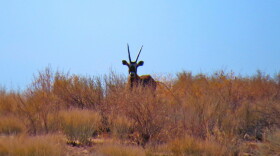 African antelope brought to New Mexico decades ago for hunting could eventually spread across much more of the West as climate change brings warmer winters, according to new research.
 -
 New federal data shows a wide gap in the amount of carbon pollution produced by electricity generation across the West, reflecting stark differences in how states produce their power.
 -
 For many Indigenous communities, hunting is a key part of culture and subsistence. But tribal hunting rights are often misunderstood or not respected.
 -
 New satellite observations show that some global river models struggle to account for dams, reservoirs and other human influences, raising questions about their reliability for water planning.
 -
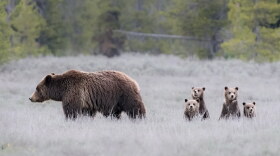 Two years after her death, the world-famous grizzly bear’s legacy endures. At the same time, federal protections for the species are on their way out the door.
 -
 Vicki Christiansen, who retired as Forest Service chief in 2021, pointed to aggressive agency mandates to quickly extinguish fires as a possible factor at play during this dangerous season.

© 2026 Wyoming Public Media
800-729-5897 | 307-766-4240
Wyoming Public Media is a service of the University of Wyoming
800-729-5897 | 307-766-4240
Wyoming Public Media is a service of the University of Wyoming

Play Live Radio
Next Up:
0:00
0:00
Available On Air Stations


